Training Physicians in Error Disclosure – White Paper
Blog
January 13, 2026
Why Training Physicians in Error Disclosure is a Strategic Investment
Hospitals today face an unavoidable truth:
Despite every safeguard, medical errors sometimes occur. What distinguishes organizations that maintain trust and financial stability from those that spiral into costly litigation is not the error itself, but how the error is disclosed.
Evidence is overwhelming: immediate, compassionate, clinician-led disclosure reduces malpractice claims, shortens resolution times, lowers legal costs, and preserves family trust. Yet the central challenge remains: how do we train over one million physicians and healthcare providers to master this vital skill at scale? This paper reviews landmark research, outlines broader evidence, and introduces The Orsini Way’s proven, scalable solution.
The University of Michigan Health System’s disclosure program data from the 2010 Annals of Internal Medicine study shows the following verified statistics:
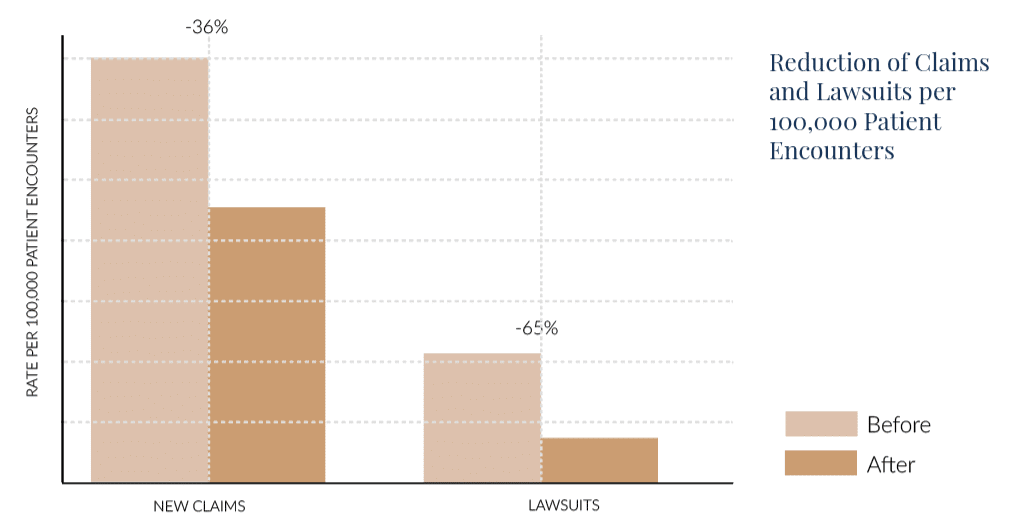
Claims and Lawsuits:
- New claims decreased from 7.03 to 4.52 per 100,000 patient encounters (36% reduction)
- Lawsuits decreased from 2.13 to 0.75 per 100,000 patient encounters (65% reduction)
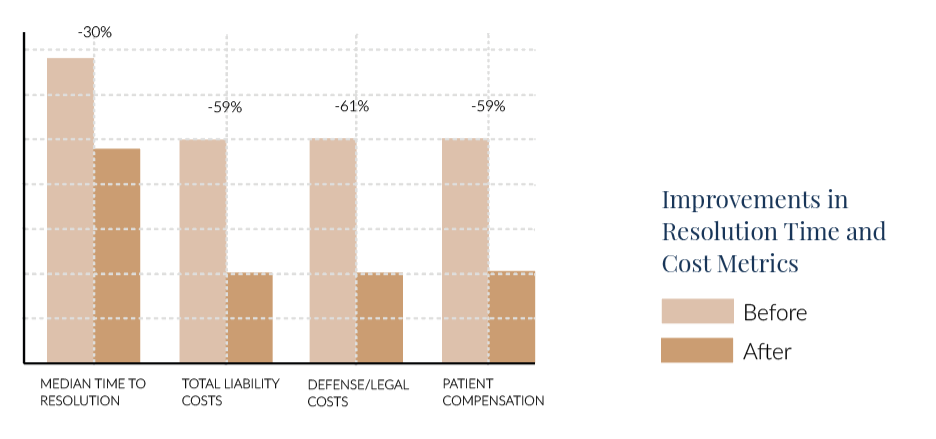
Time and Costs:
- Median time to resolution decreased from 1.36 years to 0.95 years (30% reduction)
- Total Liability costs decreased by 59%
- Patient compensation reduced by 59%
Additional verified statistics include:
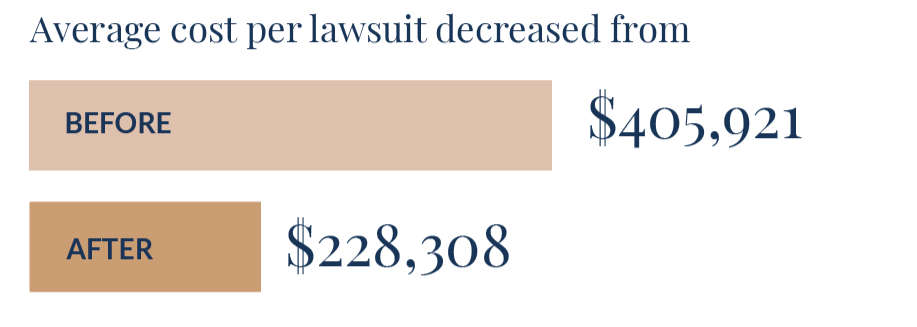
- Average cost per lawsuit decreased from $405,921 to $228,308 (44% reduction)
- Annual defense spending decreased 61%
- The number of lawsuits dropped from about 38.7 per year to about 17 after implementation
Other Major Healthcare Systems with Verified Data
1. Seven Pillars Program – University of Illinois
The University of Illinois Hospital and Health Sciences System implemented the “Seven Pillars” approach and achieved:
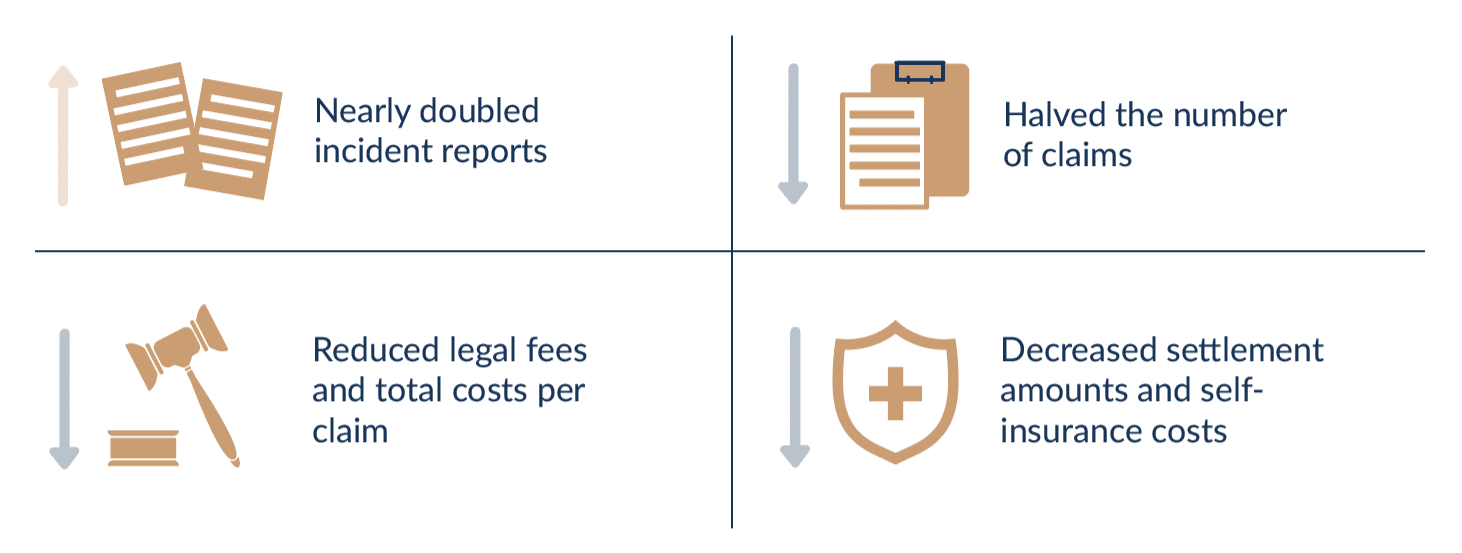
More specific data showed:
- Significant increases in adverse event reports, patient communication consults, and root-cause analyses
- Decreases in malpractice claims, legal fees, settlement amounts, and total liability costs
- Self-insurance fund moved from a $30 million deficit to a $40 million surplus